


Description

Proposed Standardized Baseline Phenotype – Standard Body Type One (BT1)
The Body Type Science Theory Research began in 2003 out of necessity. At the time, there was only the common anatomical model with all 600+ muscles found in any scientifically approved human body anatomy resource as an unofficial phenotype — what our research proposes as the baseline phenotype called the Standard Body Type One (BT1). There was, and still to this day is, no official scientific standardized baseline phenotype with classification definitions backed by real-world scientific data, evidence, and facts.
And, thus, no way to scientifically explain the countless different human bodies and shapes worldwide.
What is the Scientific Definition of Skinny Fat?
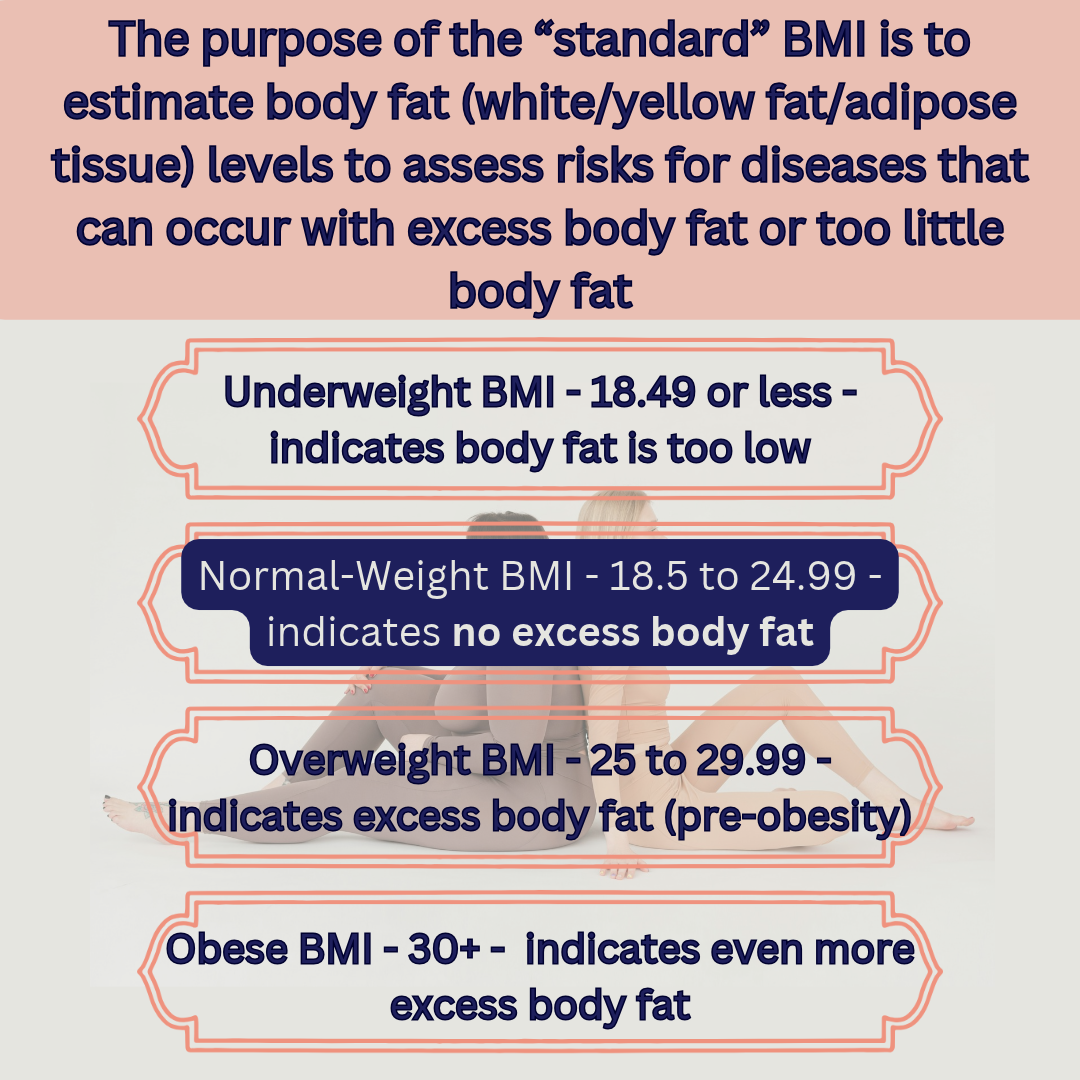 According to the first-ever 2016 NIH definition for normal-weight obesity (skinny fat), skinny fat is defined as having too much body fat (regular white/yellow adipose tissue) when within normal-weight (“safe”) BMI (18.5 to 24.99). However, according to the BMI definition, once you are within a normal-weight BMI, you no longer have any excess regular white/yellow body fat on your body. Being normal-weight obese/skinny fat directly contradicts the BMI definition. The last time the BMI was officially changed was in 1998 — it has not been changed since that initial 2016 NIH skinny fat definition.
The sole purpose of the “standard” BMI is to estimate body fat via height and weight to assess for health risks. That is literally the only thing the BMI does. It does not measure muscle or health. So, how is it possible to be within a normal-weight BMI and still have too much fat on your body?
According to our science, it is possible because the excess body fat the person is experiencing is not excess regular white/yellow body fat, it is a genetically-influenced deficient muscle tissue — what our science proposes as skinny fat. Where that genetic muscle should be, but is not, is skinny fat tissue (thin fat, cellulite) — see our MRI Studies.
Skinny Fat Example

This 23-year-old research participant has a normal-weight BMI of 24.6 (all pictures above — below, two left pictures) while experiencing normal-weight obesity (skinny fat). The right two pictures are after further safe regular fat weight loss and reaching a normal-weight BMI of 21.3 — yet, when compared to the standard anatomical model with all 600+ muscles, the skinny fat, including thin fat and cellulite, remains:


What Causes Skinny Fat?
It is an undisputed fact that muscle tissue cannot turn into any kind of fat tissue — be it regular fat, brown fat, beige fat, etc. — or vice versa. This is not how human tissue works. Our research proposes that skinny fat (lack of genetic muscle) — including thin fat and cellulite tissue — is unique genetic tissue. Just as regular white/yellow fat is unique tissue. And muscle is unique tissue.
Poor diet, exercise, and/or lifestyle can cause muscle tissue loss that can make any existing deficient muscle worse, but any lost muscle tissue does not magically turn into any kind of fat tissue. This is simply not how human tissue works. Moreover, no amount of protein/nutrients/diet, exercise (cardio or resistance), or lifestyle (sleep, stress, etc.) will magically turn any kind of fat into muscle.
Although one common point agreed on is that the best way to reduce deficient muscle (skinny fat) is to properly add muscle mass.
Christian Bale offers another interesting example. All indications are that, likely thanks to genetics, his body matches the standard anatomical human body with all 600+ muscles developed (AKA a Standard Body Type One/BT1),


Standard Anatomical Human Body with All 600+ Muscles – IE The Proposed Standard Body Type One (BT1)
Around 2003-2004, for a movie role, he lost an insane amount of weight, including obvious muscle mass. Yet, he shows no signs of any skinny fat. Very likely genetics. If it is true that lost muscle tissue causes skinny fat, then it would apply equally to all human beings, and not just affect certain people.

Christian Bale, Standard BT1, Extreme Weight Loss for Movie Role – No Skinny Fat
Human Genetics
Likely thanks to genetics, 80%+ of women in the world have some degree of cellulite, as well as roughly 10% of men. However, 0% of them have ever permanently gotten rid of their cellulite; they can only reduce it — there is no FDA-approved way to permanently get rid of cellulite at this time. The same is likely true for thin fat tissue. Our research indicates that all cultures, races, and genders (biological men and women) experience skinny fat. Skinny fat is genetically influenced and influenced by diet, exercise, and lifestyle.
Our research proposes that if you are experiencing any type of skinny fat — particularly thin fat and/or cellulite — where genetically you should have default muscle tissue, you have had it since birth, thanks to your genetics. The younger you are, the harder it is to discern skinny fat, especially thin fat.
The Latest Skinny Fat Science
Rough/Estimated Body Type Correlations – Scientific Body Type Quiz
Hourglass (no scientific definition or research data) = Standard Body Type One (BT1) or Body Type Two (BT2)
Inverted Triangle (no scientific definition or research data) = Standard Body Type One (BT1)
Triangle (no scientific definition or research data) = Body Type Two (BT2) or Body Type Three (BT3)
Rectangle (no scientific definition or research data) = Body Type Two (BT2), Body Type Three (BT3), or Body Type Four (BT4)
Pear (no scientific definition or research data) = Body Type Two (BT2) or Body Type Three (BT3)
Apple (no scientific definition or research data) = Body Type Two (BT2), Body Type Three (BT3), or Body Type Four (BT4)
Round (no scientific definition or research data) = Body Type Two (BT2), Body Type Three (BT3), or Body Type Four (BT4)
Kibbe (no scientific definition or research data) = Standard Body Type One (BT1), Body Type Two (BT2), Body Type Three (BT3), or Body Type Four (BT4)
Hormone, Adrenal (no scientific definition or research data) = Standard Body Type One (BT1), Body Type Two (BT2), Body Type Three (BT3), or Body Type Four (BT4)
Hormone, Liver (no scientific definition or research data) = Standard Body Type One (BT1), Body Type Two (BT2), Body Type Three (BT3), or Body Type Four (BT4)
Hormone, Ovary (no scientific definition or research data) = Body Type Two (BT2), Body Type Three (BT3), or Body Type Four (BT4)
Hormone, Thyroid (no scientific definition or research data) = Body Type Two (BT2), Body Type Three (BT3), or Body Type Four (BT4)
Mesomorph (no scientific definition or research data) = Standard Body Type One (BT1)
Ectomorph (no scientific definition or research data) = Standard Body Type One (BT1) or Body Type Two (BT2)
Endomorph (no scientific definition or research data) = Body Type Two (BT2), Body Type Three (BT3), or Body Type Four (BT4)
View your Quiz Results privately in your private account. Each Quiz Result is a snapshot. You can take as many Quizzes as you want to track your snapshots and any body composition changes over time.
Take the Scientific Body Type Quiz for females and males to learn more.


Reviews
There are no reviews yet.